


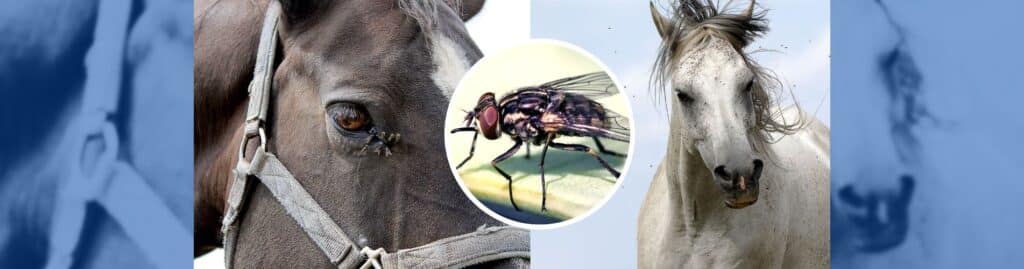
Equine infectious anemia (EIA) is a viral disease that endangers the health of horses. The equine infectious anemia virus causes this disease, which can be fatal to horses. EIA can cause severe symptoms and ultimately, the death of the animal. It is primarily transmitted through blood-sucking insects and, to a lesser extent, through contaminated equipment.
Veterinarian Dr. Emery stated in an interview that the clinical presentation of equine infectious anemia (EIA) can be highly variable. The virulence of the strain determines this variability. Furthermore, a variety of factors affect the manifestation of the disease, such as the amount of virus the horse receives, the animal's overall health, its immune system, and any concurrent stressors.
Two phases can be distinguished.
The acute phase of EIA can be mild, manifesting only as a transient fever that may go unnoticed. However, it can also be severe enough to cause the horse's death within two to three weeks of infection.
The chronic phases of equine infectious anemia tend to be intermittent and unpredictable, presenting with episodes of fever, weight loss, and mild to moderate anemia. Some swelling of the extremities may also be present.
Many cases of equine infectious anemia will evolve into an apparently asymptomatic form, becoming silent reservoirs of the disease.
Routine testing is the best safety practice. It is strongly recommended that horses be tested whenever they interact with other horses, whether when new horses arrive at the stables or when traveling to competitions. Before horses arrive at the competition venue, they must be tested and receive a negative result for EIA.
Depending on the level of isolation of the group of horses and the region in which they are located, it is advisable to perform equine infectious anemia tests regularly, at least a couple of times a year.