



Regenerative medicine continues to advance in the treatment of some of the most complex injuries in horses. Research funded by the Grayson-Jockey Club Research Foundation is exploring the therapeutic use of stem cells for tendon and ligament injuries, with the aim of improving the quality of recovery and reducing the risk of relapse.
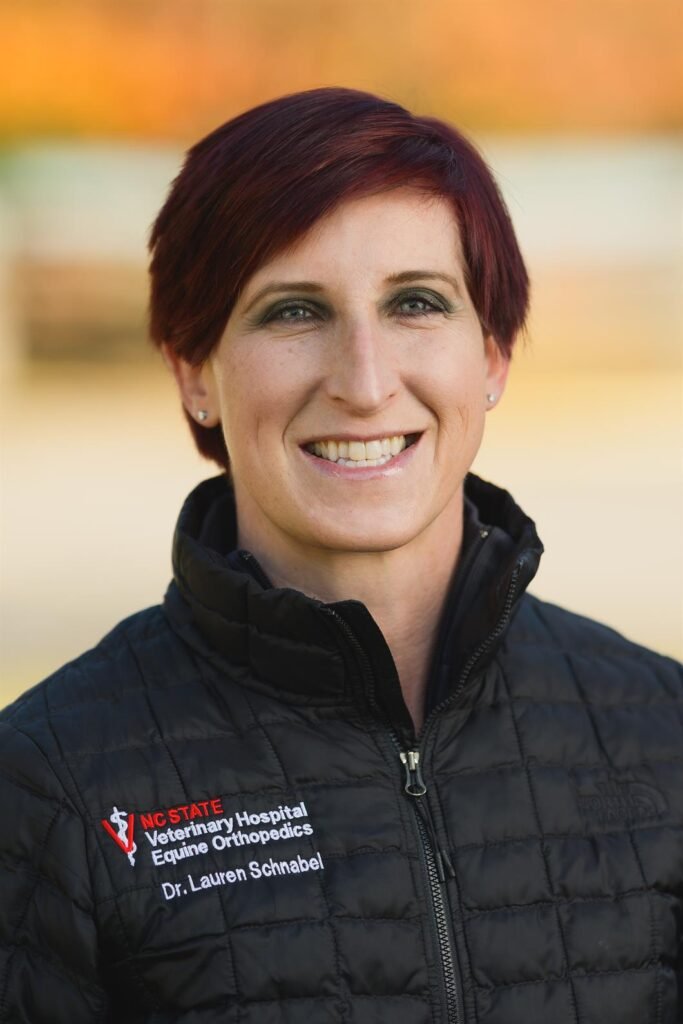
The work is led by Dr. Lauren Schnabel of North Carolina State University, a specialist in regenerative medicine and a member of Grayson's Research Advisory Committee. Her research seeks to better understand how stem cells actually work, when they should be administered, and how they can promote more complete repair of damaged tissue.
Tendon injuries present a particularly significant challenge in veterinary medicine due to the limited blood supply to tendons. Following an injury, the body may repair the area using scar tissue instead of rebuilding the highly organized collagen fibers that gave the tendon its original properties. Although the horse may subsequently return to work, this tissue is less elastic and may be more prone to further injury.
In this context, adult mesenchymal stem cells have become one of the tools being studied for orthopedic injuries. They can be obtained from different sources, including bone marrow, adipose tissue, blood, or certain neonatal tissues.
One of the main advances in the research has been precisely a better understanding of its mechanism of action. Contrary to the initial idea that the administered cells would simply transform into new tendon cells, studies point to a much more complex role: they act by promoting and regulating the body's own repair processes.
Its potential effects include modulating excessive inflammation, supporting blood vessel formation, reducing cell death, recruiting the horse's own repair cells, and stimulating more organized collagen formation. Its ability to reduce scar tissue formation and promote healthier tendon remodeling is also being studied.
Another key aspect of the research is determining the optimal time to administer treatment. Traditionally, many veterinarians waited several weeks after the injury occurred. However, the evidence being studied suggests that earlier intervention could influence the development of inflammation and promote long-term recovery. Determining this therapeutic window remains one of the issues that needs clarification.
The research also underscores that not all stem cell therapies are the same. One option involves extracting bone marrow from the horse itself and culturing the cells for two to three weeks in a laboratory. This yields a larger and more purified cell population, although it requires waiting before the treatment can be administered.
Another alternative is to process the bone marrow immediately using specialized centrifugation systems. This yields a concentrate containing stem cells, platelets, growth factors, and other cells related to regeneration. Its main advantage is the possibility of using it quickly, although the quantity of stem cells is lower and the cellular composition is more heterogeneous.
The Grayson-Jockey Club Research Foundation emphasizes that the aim of this work is to provide scientific evidence that will allow veterinarians to determine which treatments offer the best results, when they should be used, and why they work.
Advances in this research could lead to the development of increasingly specific regenerative therapies tailored to each injury. The goal is not simply to heal the tendon, but to restore its normal structure and function as much as possible, improving the horse's recovery and reducing the risk of further injury.