



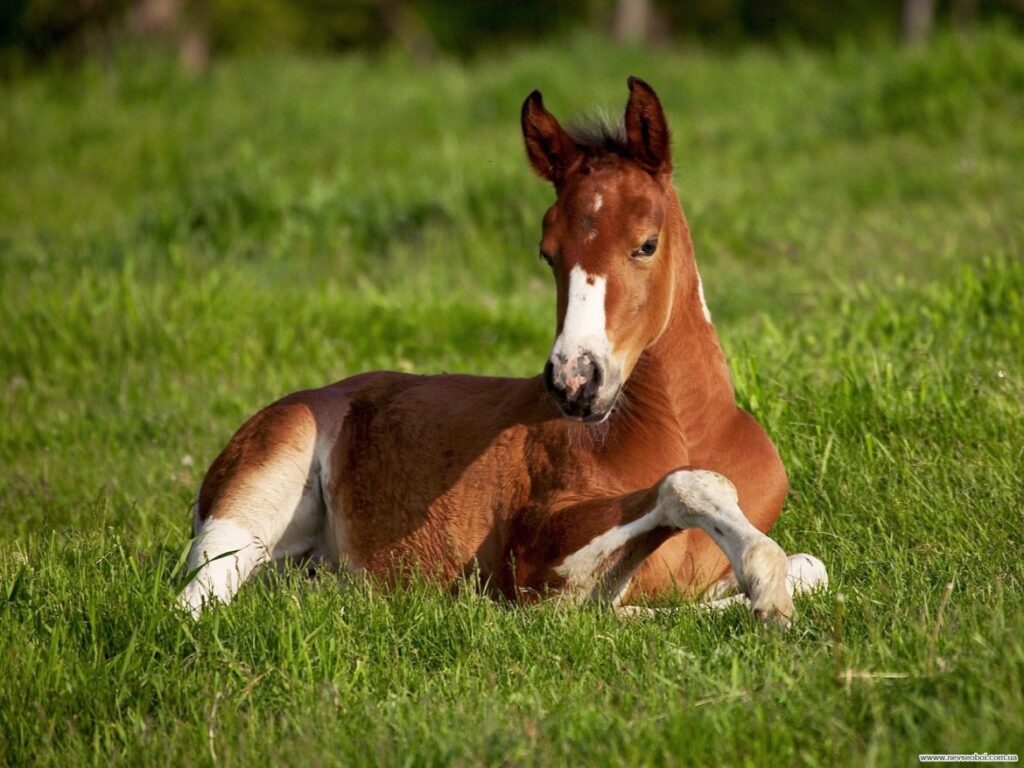
This syndrome, formerly known as Fragile Foal Syndrome Type 1 in warmblood horses, has transcended its original boundaries to manifest in a variety of breeds. It first came to light in 2018 in the United States and has now been confirmed in Thoroughbreds, generating concern in the international equestrian community due to its potential spread among different equine lineages.
This is an inherited genetic disorder that affects connective tissue, evidenced by abnormally thin, injury-prone skin and fragile mucous membranes. Although more common in warmblood horses, studies have identified carriers of this syndrome in breeds such as Pinto, Quarter Horse, and Haflinger.
Clinical manifestations range from extremely flexible joints to premature births. Affected foals are born with extremely fragile skin and, in many cases, must be euthanized due to the poor viability of this condition, which lacks effective treatment.
The genetic basis of this syndrome means that both horses and mares can be affected, but two copies of the mutation are required for the disease to manifest. Despite not showing symptoms, carriers can transmit the mutation, which has led to the use of genetic testing to prevent the reproduction of this syndrome.
Managing and controlling this condition is crucial, as affected newborn foals have a poor prognosis and are euthanized shortly after birth. Preventing its spread has become a priority, given its significant impact on equine breeding worldwide.