



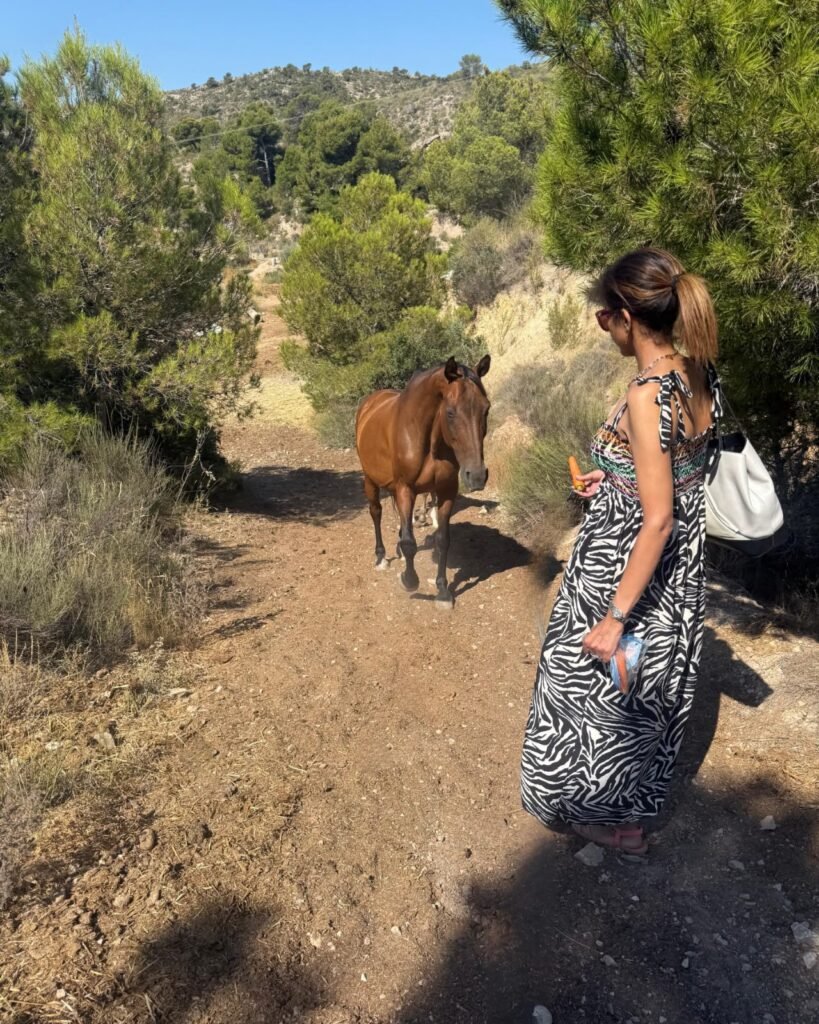
Today marks the first-ever celebration of World Horse Day, a date approved by the UN General Assembly on June 3, 2025, through resolution 79/291. The initiative recognizes the historical, social, economic, and cultural role of an animal that has accompanied humans for millennia.
For centuries, the horse has been much more than a means of transport. It has been an integral part of agricultural work, communication between communities, warfare, sport, leisure, therapy, and the daily lives of millions of people. Its presence has shaped the evolution of many societies and continues to hold significant importance.
The resolution invites governments, educational institutions, businesses and citizens to celebrate this date and to focus on the challenges that horses and other equines face today.
The impact of the horse extends far beyond sport and tradition. In many regions, working equines remain crucial to the survival of families. A joint study by the World Organisation for Animal Health and the FAO estimates that 112 million working equines support the livelihoods of approximately 600 million people in low- and middle-income countries.
In Europe, the equine sector also plays a vital role in the rural economy. Breeding, sport, veterinary medicine, equestrian tourism, and the conservation of native breeds generate employment and help keep alive traditions linked to the land. In Spain, the history of the horse is intertwined with culture, livestock farming, horse training, and the evolution of breeds that form part of the equestrian heritage.
The Iberian Peninsula has a very ancient relationship with the horse. Cave paintings in sites such as Ekain, Altamira, and Tito Bustillo show the presence of equines dating back thousands of years. Over time, different civilizations shaped Iberian horses, from the rustic ponies of the north to the Andalusian, Lusitano, and Carthusian horses of the south.
The horse is a sentient being, capable of learning, communication, and adaptation. Its handling, training, and care require knowledge, patience, and responsibility. The quality of the bond with the people who ride, train, or care for it has a direct influence on its physical and mental well-being.
One of the most pressing challenges is climate change. The World Meteorological Organization confirmed that 2024 was the warmest year on record, with a global average temperature around 1,55°C above pre-industrial levels. This temperature increase raises the risk of heat stress, dehydration, and decreased performance, especially in working, sporting, and transport horses.
Therefore, adaptation measures are becoming increasingly important: cooling zones, body temperature control, proper hydration, adequate rest, and specific protocols for competitions in hot weather. At the elite level of sport, these measures are already part of the planning, but they must also be applied to the daily work of stables, equestrian centers, and rural farms.
World Horse Day originated as a celebration, but also as a call to action. It recognizes the importance of an animal that has helped build societies, economies, and cultures, and serves as a reminder of the responsibility we have towards its care.
July 11th is not just a day to honor the horse. It's an opportunity to appreciate all that it has contributed and to continue moving towards a more conscious, respectful, and responsible relationship with one of humankind's oldest companions.