



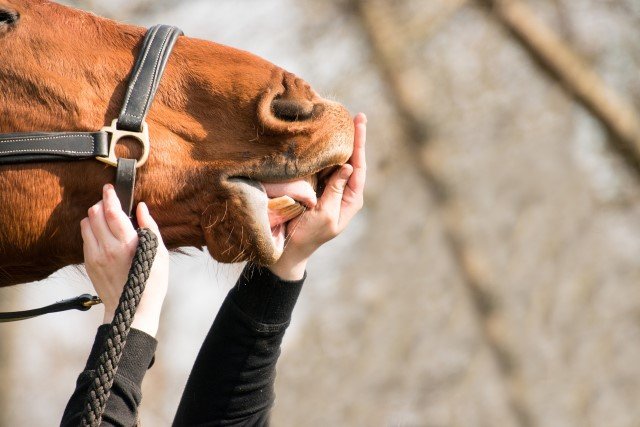
Biting behavior in horses is usually related to fear, discomfort, or a lack of proper training in daily handling.
To prevent this, it's essential to understand its origin and act accordingly from the outset. A horse that feels threatened or has its personal space invaded may react defensively, so mutual respect is the foundation of any interaction.
Handling should be calm, clear, and consistent. Avoiding sudden movements, maintaining a confident demeanor, and not rewarding inappropriate behavior are key. If the horse tries to bite, it's important to correct it immediately but gently, using your voice or by firmly moving it away. Consistency in these responses helps the horse understand its boundaries.
It's also advisable to check for possible physical causes, such as pain or discomfort, especially if the behavior appears suddenly. A horse that is uncomfortable during brushing or saddling may react by biting.
Working from the ground up, with exercises of respect and attention, fosters a more balanced relationship.
A well-trained horse, who trusts his handler and understands what is expected of him, will be less likely to exhibit this type of behavior.