



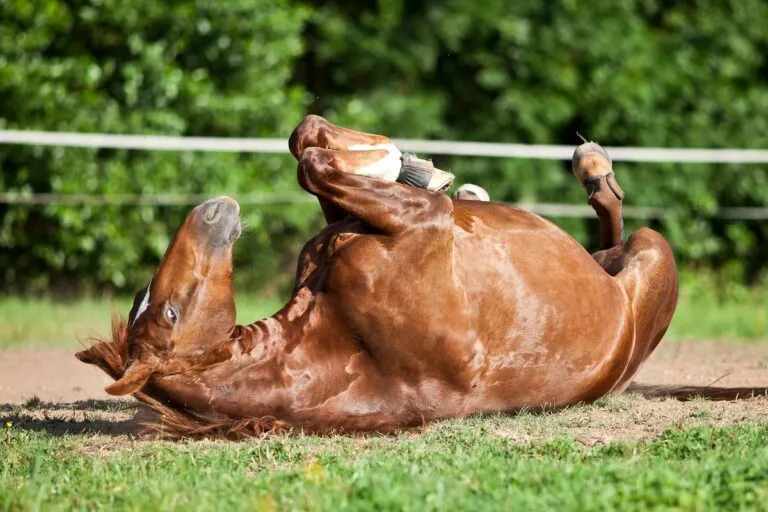
Colic in foals is one of the most serious emergencies in equine management, as its progression can be rapid and life-threatening within hours. Early detection of the signs is crucial.
The most common symptoms include restlessness, repeatedly trying to lie down and get up, lack of appetite, and sometimes, absence of bowel movements.
If colic is suspected, the first thing to do is remain calm and observe the foal's behavior.
It is important to remove the food and ensure access to clean water, preventing it from rolling violently to avoid injuries.
Walking him gently may help in some mild cases, but should never replace veterinary intervention.
Contacting a professional immediately is key, as the origin of colic can range from simple digestive problems to more complex obstructions.
The veterinarian will perform a complete examination and determine the appropriate treatment, which may include medication or, in serious situations, surgical intervention.
Prevention also plays an essential role. A balanced diet, regular deworming, and gradual dietary changes all contribute to reducing the risk.
Daily observation of the foal will allow for the early detection of any abnormalities and more effective action.