



For several years now, all companies in Spain, including those in the equestrian sector, have been required to keep a daily record of their employees' working hours.
This directly affects equestrian centers, stud farms, riding clubs, competition organizers and any company related to disciplines such as Show Jumping, Dressage, Eventing or Endurance Riding.
Timekeeping involves recording the start and end times of each employee's workday daily. This record must accurately reflect the time each person dedicates to their work, including trainers, grooms, maintenance staff, administrative personnel, or any other position within the equestrian company.
The regulations stipulate that this record must be kept for at least four years and be available to workers, their representatives, and the Labor Inspectorate. Failure to maintain this record can result in significant financial penalties for the company.
In the equestrian world, schedules often vary depending on horse care, training, or participation in competitions. For this reason, keeping accurate records helps to better organize the workday and ensure that rest periods mandated by labor laws are respected.
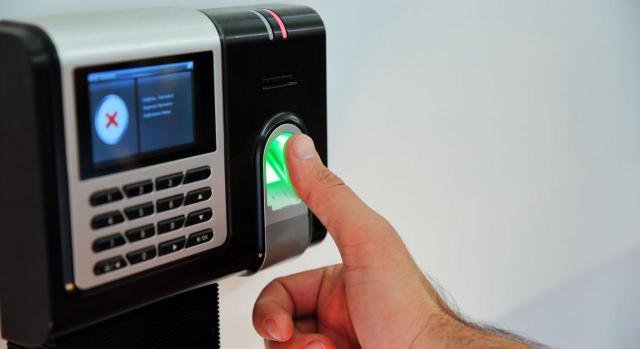
Timekeeping can be done using various systems: signed forms, mobile apps, digital systems, or time clocks. The important thing is that the chosen method clearly records each employee's daily working hours and cannot be altered later without leaving a record.
For equestrian businesses, complying with this obligation not only avoids penalties, but also brings transparency to the organization of work and better management of the human team that makes the operation of any equestrian facility possible.